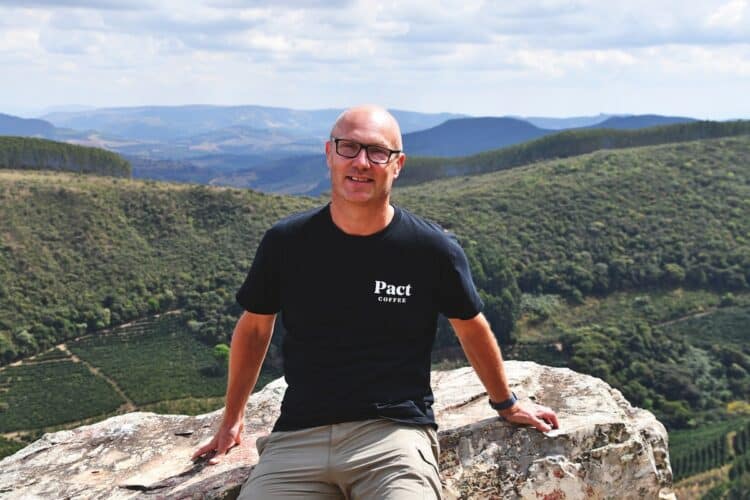
Pact Coffee CEO Paul Turton says the company will continue to champion gender equity throughout the coffee supply chain in 2026.
We’ll be driving fast growth across every channel of the business: subscriptions, business-to-business, grocery, and hospitality. This year, we sourced 60 per cent of our coffee from women or gender-equity groups, and in 2026, we’ll go even further, working with exceptional women growers and continuing to champion gender equity throughout the supply chain. Ultimately, our growth is only possible because of the strength of our product: incredible coffee from the best growers in the world. So, we’re going to make this more accessible than ever, whether that’s on grocery shelves, in hospitality venues, or directly to homes and businesses. With the espresso market booming, a major priority will be introducing more people across the nation to speciality espresso.
With climate change reshaping the global coffee industry, long-term, direct-trade partnerships and fair pay for growers will matter more than ever before. Direct trade, skipping the traditional supply chain and commodity market, guarantees these growers a profitable, sustainable future in their craft, while allowing us to continue to deliver the best quality coffee to our customers every time. When green coffee prices rise, some roasters are tempted to cut corners by compromising on quality, but those committed to direct, long-term relationships with growers will continue to bring their customers the best beans. Ultimately, fair prices for growers and incredible, freshly roasted coffee are the non-negotiables for us at Pact.
Speciality coffee continues to grow at a significant pace, and quality is the core value that sets it apart from the mass market.
This presents a significant opportunity: bringing extraordinary coffee, grown by some of the most skilled hands in the world, to more homes, workplaces, cafés, and grocers than ever before.
My one hope for the international coffee industry over the next year is that I want to see less greenwashing in the coffee industry. It’s simple: if you don’t know exactly where your coffee comes from, don’t talk about doing good at origin.